Splatamy wątki Twojej historii...
ENTERING THE ZONE
SKI Dolina in the Leśnica valley is now Brenna’s main slope: almost 2 km of runs, the commune’s first chairlift, full snowmaking and floodlighting. Kotarz (974 m) towers above the valley, but there are no lifts on the summit itself.
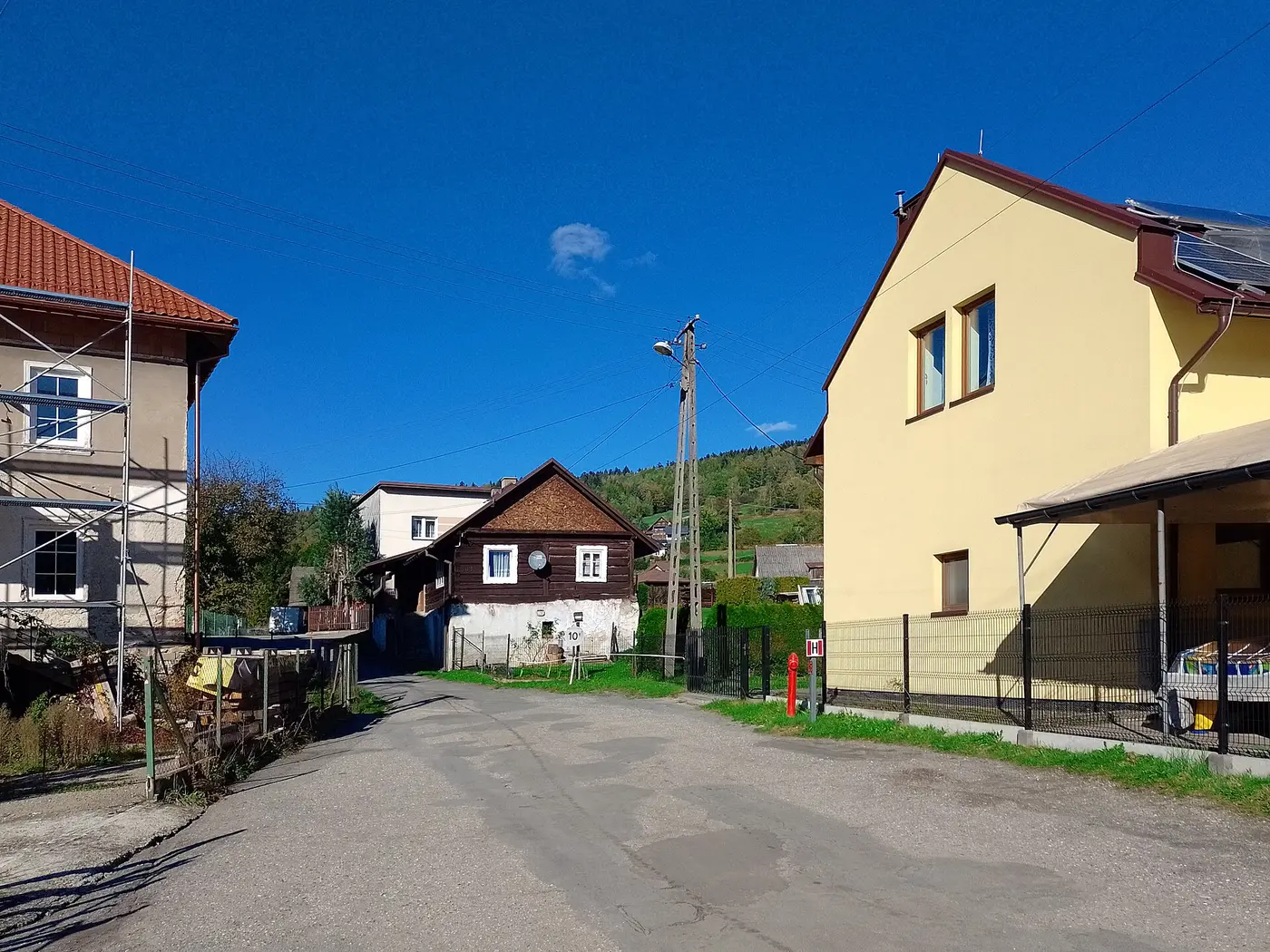
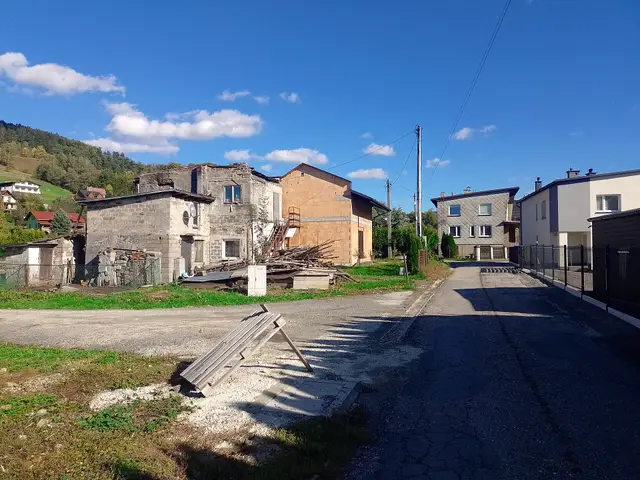
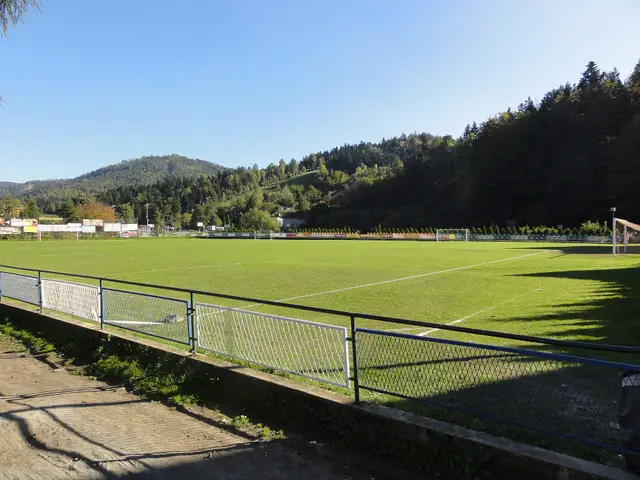
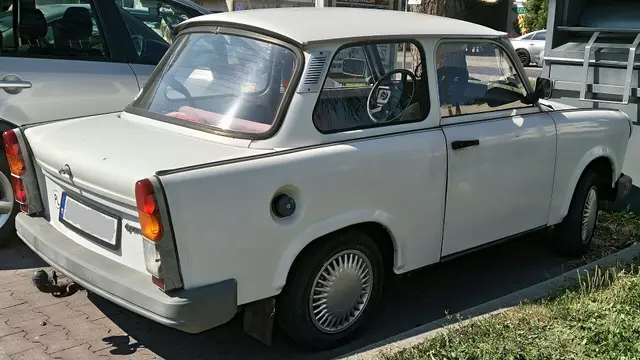
Photos come from Wikimedia Commons and show the area around the resort. They are not material of Zone4 or of the resort operator.
Brenna — Silesia Province. Dots mark nearby resorts. Full resort map
Rzeźba terenu: AWS Terrain Tiles (SRTM, Copernicus DEM) · © OpenStreetMap contributors
Brenna sits in the Silesian Beskids, in the Brennica valley between Ustroń and Szczyrk. Above the village rises Kotarz (974 m), one of the most popular hiking targets in this part of the range, with a shepherd’s hut and the stone-built Altar of Europe on its ridge. For years Brenna was a village of a few small drag lifts; that changed in January 2025, when the SKI Dolina station opened in the Leśnica valley with the commune’s first chairlift.
The station is small but complete. A four-seater Doppelmayr chairlift roughly 800 m long climbs about 200 m and drops skiers below Świniorka (700 m). The main run descends about 1 km from the top, while a platter lift serves an additional blue descent of some 600 m. Together that makes almost 2 km of runs, all covered by snowmaking and floodlights. The 2025/26 season added a gentler variant of about 250 m that bypasses the steepest section of the main run.
One misunderstanding is worth clearing up straight away. There is no ski station on Kotarz itself, and there never has been. The large Kotarz Arena complex planned there, with cable cars around Hala Jaworowa, was never built: the environmental and planning approvals were not granted, several landowners refused to sell their plots, and the investor eventually withdrew. Kotarz remains hiking and ski-touring terrain, while lift-served skiing happens lower down — in the Leśnica valley and, seasonally, on smaller drag lifts elsewhere in the village.
Brenna suits beginners, families with children and intermediates rather than anyone hunting long, demanding descents. The main run has one distinctly steeper section near the top — since 2025/26 it can be bypassed on a gentler variant of about 250 m, which puts the full descent within reach after a few days of lessons. The youngest stay in the Reindeer Zone, fenced off from the main traffic and served by magic carpets. Confident skiers will treat Brenna as a short afternoon or evening rather than a full day; for bigger mileage they drive on to Wisła, Ustroń or Szczyrk.
The base station is at ul. Leśnica 153, 43-438 Brenna, deep in the Leśnica valley a few kilometres beyond the village centre. From Warsaw it is about 385 km, roughly 4.5 hours: the A1 motorway and the S1 towards Bielsko-Biała, or national road 81 from Katowice to Skoczów, then through Górki Wielkie to Brenna and up the valley. From Katowice it is about an hour, from Kraków about 1.5 hours, from Bielsko-Biała under 40 minutes.
The operator points out that the approach to Brenna avoids the most congested roads in the Silesian Beskids — there is no need to squeeze through Ustroń, Wisła or Szczyrk, which makes a real difference during the school holidays. Free parking is available next to the station on the grounds of the neighbouring Dolina Leśnicy resort; at weekends it fills up before noon, and the valley road is narrow, so improvised roadside parking is awkward. By public transport the nearest rail stop is Skoczów, with a local bus onward; the last stretch up the valley is easiest by car.
Driving distances
The season in Brenna normally starts around Christmas — in 2025/26 the Reindeer Zone opened on 27 December and the chairlift a few days later — and with favourable weather runs into mid-March. The slope lies low, roughly between 500 and 700 m, so conditions depend mainly on technical snowmaking; the guns cover every run and the groomers go out after the lifts close. The station itself operates normally and is being expanded season by season, whereas no lifts were ever built on Kotarz. The quietest times are weekdays and evenings, when the runs are floodlit.
Kotarz (974 m) is the most popular walk above the valley — a shepherd’s hut stands on the ridge and, slightly below, the Altar of Europe assembled from stones brought from many countries. Trails also lead from Brenna to Trzy Kopce Wiślańskie, Błatnia and Stary Groń, used in winter by ski tourers and snowshoers. Larger resorts lie within half an hour: Wisła, Ustroń with Czantoria, and Szczyrk, reached by a narrow scenic road over the Karkoszczonka pass.
Zone4 is a ski and snowboard school from Warsaw building ZoneCloud — a booking system for lessons with instructors. We do not own any slope: what we add is the thing slopes usually lack, namely a free slot with a named instructor, visible online and bookable on the spot. Today it runs at Górka Szczęśliwicka in Warsaw, at Rybno and at Szwajcaria Bałtowska.
The next step is a nationwide network — including Brenna. We are building the instructor team here and will open lesson booking together with it. If you are looking for an instructor in Brenna for the coming season, leave your details and we will let you know the moment bookings open. If you teach here yourself, read the section below.
We are looking for ski and snowboard instructors in Brenna and the surrounding area (Silesia Province). The arrangement is freelance and non-exclusive — you can teach with us alongside your own clients or a local ski school. You set your availability in the schedule; we bring the students and handle bookings and settlements.
ZoneCloud gives an instructor what working solo does not: a public profile with a description and photo, a calendar of free slots, online bookings and payments, and a lesson history in one place. Instead of fielding calls on a Saturday morning, you get a filled schedule.
Instructor qualifications (SITN-PZN or equivalent) are a strong plus but not an entry barrier — what counts is confident, technical riding and the ability to work with people, especially children. You attach scans and a CV in the online application.
The online application takes about 5 minutes and creates your provisional instructor account.
Read also
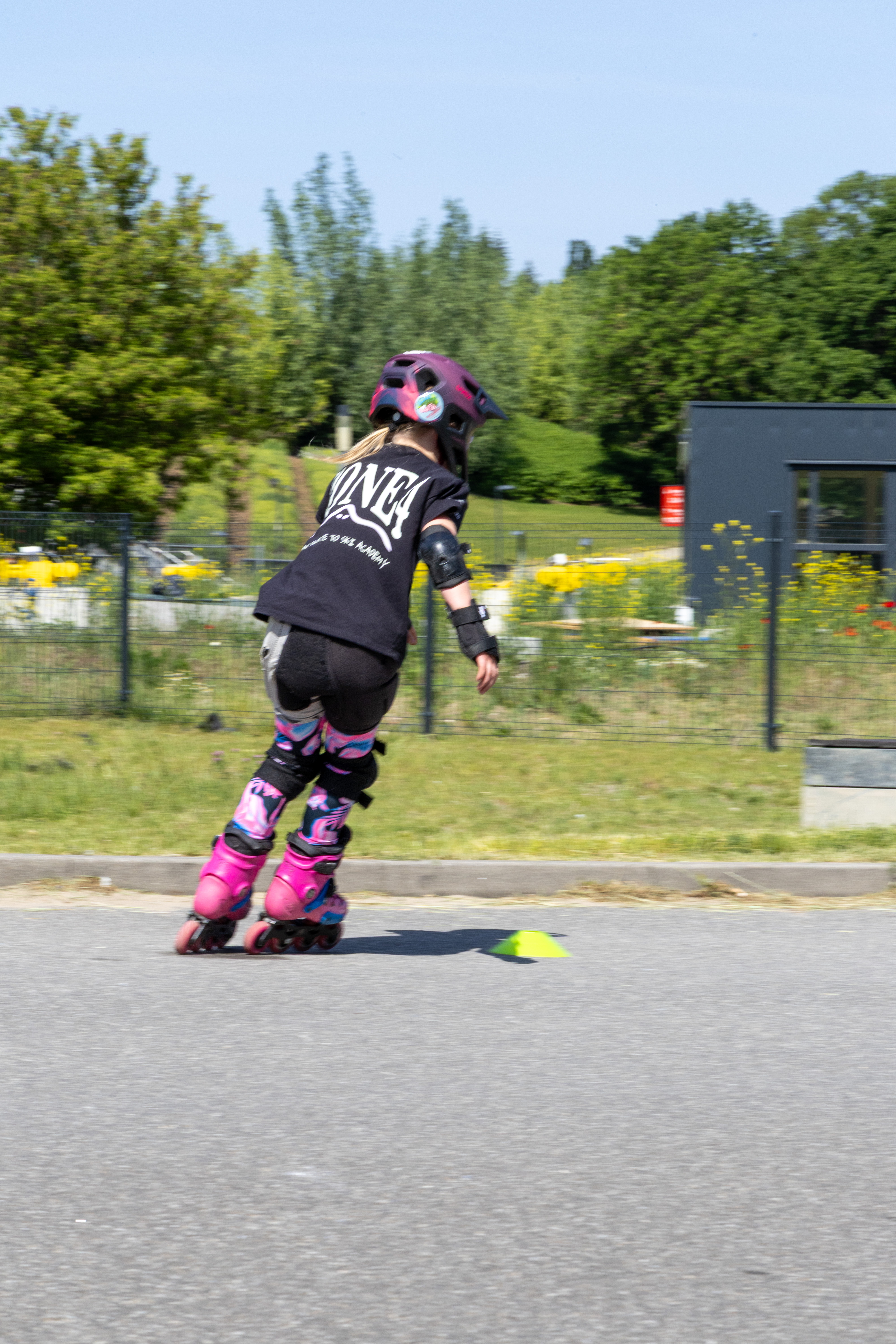
Kiedy kończy się sezon narciarski, rolki to świetny sposób na przygotowanie i utrzymanie formy narciarskiej przez cały rok.
Read the article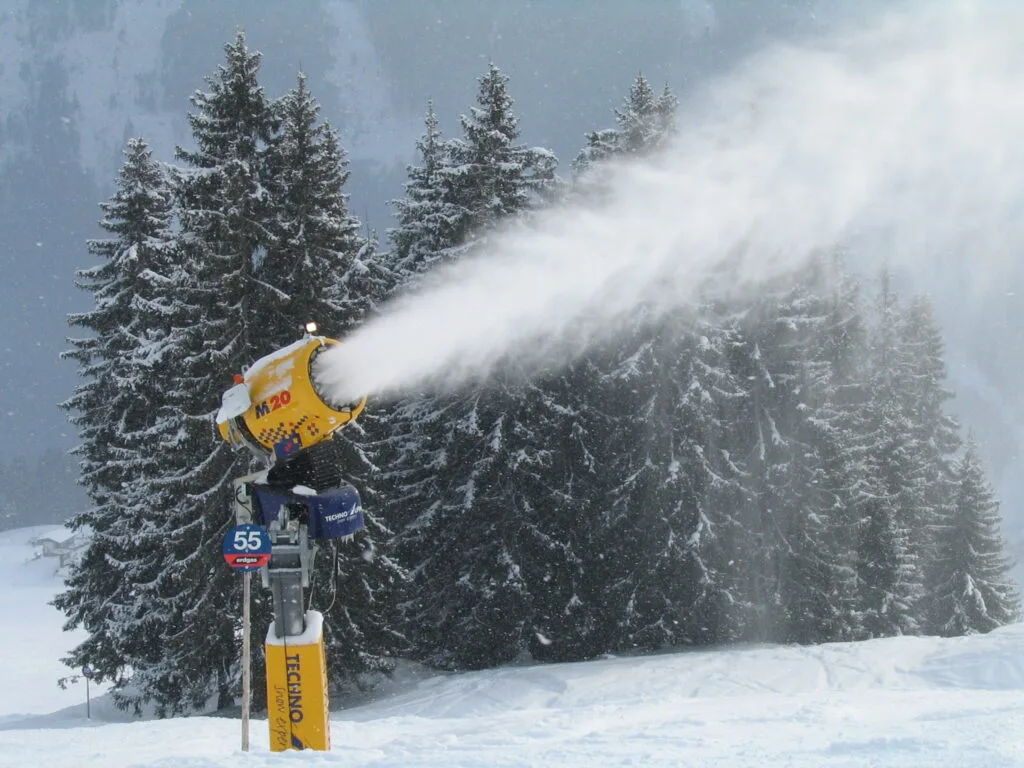
Zima w końcu zawitała do Polski! Otwieramy sezon szkoleniowy blisko Warszawy — ośrodki Szwajcaria Bałtowska oraz Rybno są już gotowe.
Read the article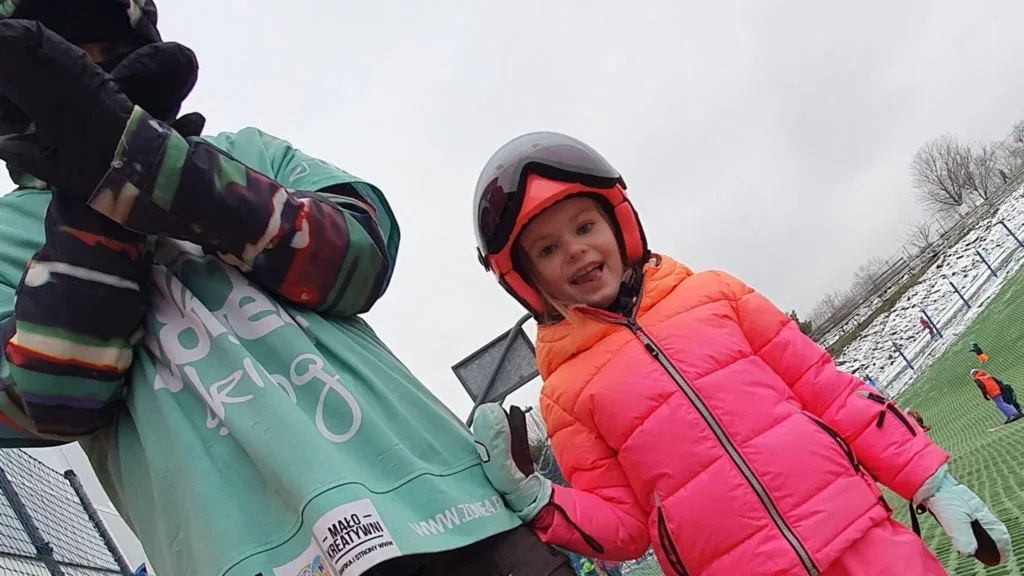
Optymalny wiek na narty to 3-4 lata, snowboard — 6-8 lat. Każde dziecko jest inne.
Read the articleThis is the ski resort’s address. Zone4 neither owns nor manages it — we run lesson bookings and the instructor network. The number listed is our contact.
Get directionsClips from our sessions, behind-the-scenes of training and the daily life of our school — all on our profile.
Open profile